How to Build an Emergency Fund That Lasts
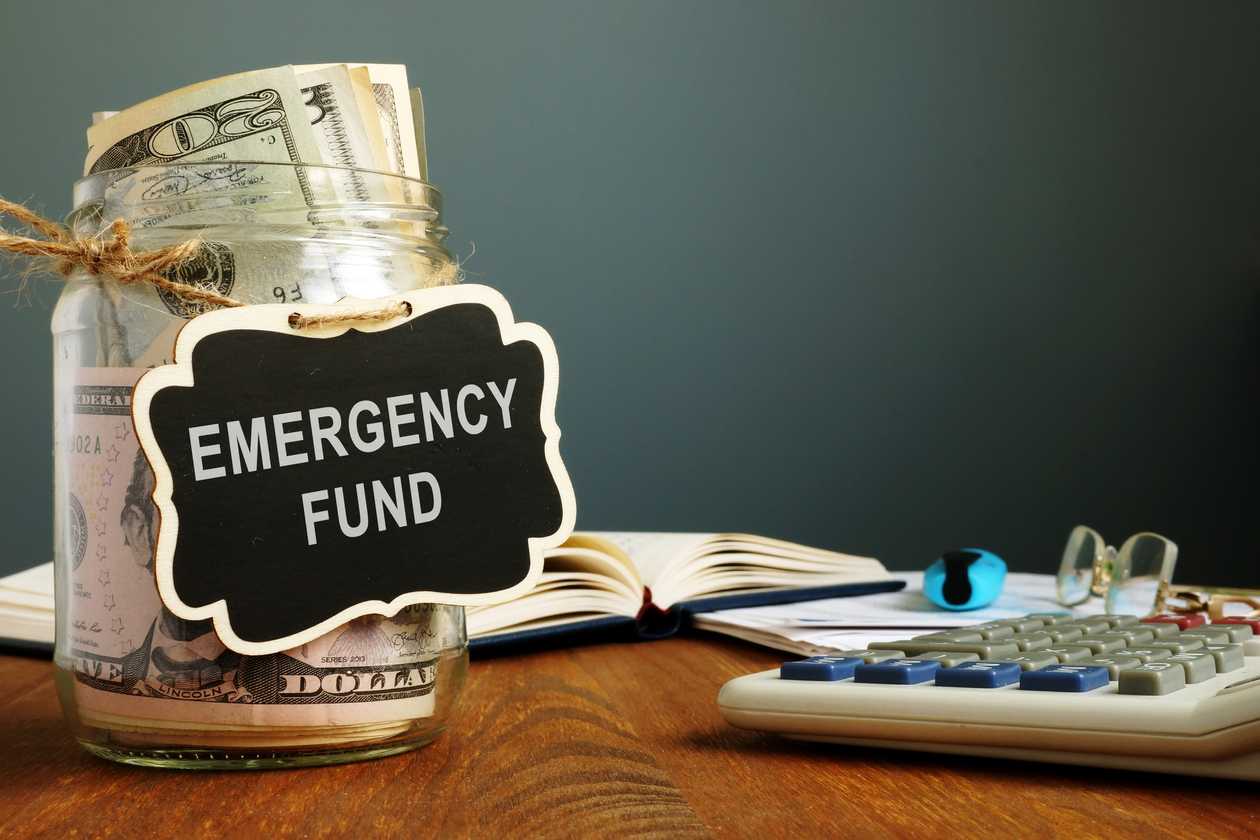 Here’s the truth about emergency funds that most advice glosses over – building one feels like preparing for a disaster you hope never happens, using money you could be enjoying right now. It’s not sexy or exciting. But neither is borrowing from your judgmental cousin when your laptop dies before a work deadline.
So, let’s talk about building an emergency fund that actually works in real life, not just in theory.
Start Small
First, forget the “3-6 months of expenses” advice for a minute. That number is so daunting that it paralyzes people from the start. When I was staring at zero, hearing I needed 200K saved made me want to give up before I began.
Start with ₹10,000. Seriously. Just aim for that first. It won’t cover a major crisis, but it handles those annoying ₹5,000-₹8,000 emergencies that pop up regularly – the phone repair, the doctor visit, the surprise car maintenance. Getting that first ₹10,000 gives you momentum and immediate stress relief.
Make it Automatic
Next, make it automatic but visible. It’s a breakthrough when you set up an auto-transfer to a different bank entirely – one without a debit card, one that would take effort to access. Not seeing that money in your regular checking account removes the temptation to “borrow” from it. But you could still check the balance online, watching it grow each month.
The “Last Longer Than a Week” Trick
Build your fund in stages with clear purposes:
- Stage 1: ₹25,000 for minor emergencies (the annoying but not catastrophic stuff)
- Stage 2: One month of bare minimum expenses (just enough to keep the lights on)
- Stage 3: Three months of regular expenses (the standard recommendation)
- Stage 4: Six months of regular expenses (the gold standard)
Hitting each milestone gives you a concrete win. I celebrated each one – nothing expensive, just enough to acknowledge the achievement. That little reward loop kept me motivated.
The Mental Game
Now, let’s talk about building a mentality because that’s where most emergency funds fail. I renamed mine the “Life Happens Fund” because “emergency” made it feel like it was only for disasters. When my friend’s wedding required unexpected travel, I wasn’t sure if that counted as an “emergency.” But it definitely fell under “life happens.”
The key is setting clear rules for what constitutes a withdrawal-worthy situation, such as:
- Is it unexpected?
- Is it necessary?
- Is it time-sensitive?
If the answer to all three is “yes,” it qualifies. This prevented both reckless withdrawals and the analysis paralysis of “Am I allowed to use this money for this situation?”
The biggest challenge? Rebuild after you use it. And you will use it – that’s the whole point. After depleting half my fund for a medical situation, I felt discouraged seeing all that progress vanish. My solution was the “repayment plan” – treating withdrawals like a no-interest loan to myself, with a specific timeline to replenish it.
Building an emergency fund isn’t about following a perfect formula. It’s about creating financial breathing room that lets you handle life’s surprises without derailing everything else. Start small, celebrate progress, and customize it to your life’s realities. Your future self will thank you when life inevitably throws its next curveball.
Tags: budgeting, debts, economy, financial planning, money, savings
 Budgeting, Financial Planning, Miscellaneous, Money, Personal Finance, Savings