Category: Loan

Student Loans, Saving, And You

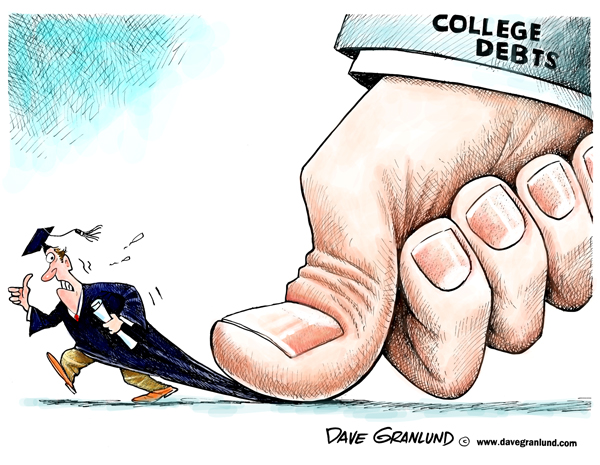
loan burden for studentsUniversity is the obvious choice if you want to go into further education. It’s a chilled out place where you can learn the skills needed to succeed in later life. Plus, it also teaches you how to be an adult, when you’re not drinking and partying of course. Unfortunately, college isn’t always one big picnic. Getting there in the first place can be tricky because the costs are so high. And, if you want to be accepted, you will need to stump up the cash. It might seem retro, but saving can be the difference between a college education and an early foray into adult life.

Here are tips that can help you save enough to go to university.

Start Early

Being a kid is great because you have no responsibility. You can do whatever you like and let the adults deal with the pressures of life. Although it’s enjoyable way to go through your teenage years, it also has its flaws. The reason for this is that it pushes you to rely on other people. Of course, your parents want to help you go to college. But, the circumstances might dictate a different course of action. If you’re ready to take some responsibility, you can start saving as early as possible to prepare financially for university. So, put aside any money that comes your way for a rainy day.

Ask Your Parents

Even if you start saving early on, you’re still a kid. And, your parents have an obligation to help you achieve your dreams. That’s why there is nothing wrong with asking them to contribute to your savings. It might not be enough to stop you from securing a loan, but every little helps. The less you have to pay back once you graduate, the more money you can keep for yourself. Don’t badger them into putting money away every week because there is no need. Just tell them that you want to go to college and it would be nice if they could contribute. They’ll get the message.

Get The Right Loan

No matter how much you save, you might need a loan to help with your tuition. Obviously, you’d rather not have one, but needs must. Before you pick any old loan, make sure you think about the different variables. Some loans, for instance, have a grace period which makes them more attractive to lower income earners. Others are liable for a department of education loan forgiveness scheme that writes off some of the debt. These are features which a student like you can use to your advantage. But, it’s only possible if you think about it beforehand.

Get A Job

Without any revenue, you won’t be able to save in the first place. Sorry to say it, but you’re going to need a job. It won’t be nice, and it won’t be pretty, but it will serve a purpose. A weekend job is enough to make a dent in the savings department, especially if it’s over a few years. Plus, you need to concentrate on your studies to get into university.

You can’t do that if you’re always at work!

Your Perfect Real Estate Investment Has Land-ed

ideal investments in real estateThere comes a time in every single person’s life where the penny drops and they realise that it could be time to invest in real estate. However, most people have a warped sense of what that actually means and so they start thinking about how they can afford to, the complexities around doing so, the trials and tribulations, the effort and the work involved.

But investing in real estate doesn’t have to mean buying a structure. It doesn’t have to mean investing in an apartment, flat, house, condo, commercial property or residential space, and it doesn’t have to mean fixing up somewhere. You see, real estate does include land, you know. Yeah.

So many people overlook vacant land as an investment, though, which is foolish if you ask us, and here is why:

You Buy It. That’s All.

When you invest in a structure, you have to think about renovation works and replacing stuff, which you never have to do with vacant land. You buy the land and you have the land. You don’t need to have a knowledge of construction or anything, just an idea of whether the land could be suitable for building on. Simple.

It’s So Cheap

Vacant land is so cheap compared to other types of real estate. You could buy a decent chunk of land with the cash that is in your savings right now, probably, and if not, all you have to do is compare personal loans and take the one that you like the look of. That’s it, then. There are no other outlays. No structure to pay for, no mortgage to battle, taxes are teeny-tiny, and so is insurance, if you want to have insurance.

No Hassle Whatsoever

The thing with investing in vacant land is, well, it’s vacant. That means there are no tenants you have to chase up because their rent is late. You don’t need to pay an agent any maintenance fees or get a gardener or a plumber or anything. No. Vacant land is the least demanding real estate investment you can possibly make. Period.

Prices Can Only Increase

Your options with vacant land are endless. Either you can hang on to it and live safe in the knowledge that no one is making any more land, which means your little piece of the earth is only going to become more in demand and demand is good. You could start using it for business purposes, in which there are only a few things to consider. You could even seek out some planning permission and watch as the value skyrockets, and we mean skyrockets, and that’s without even having to put a nail in anything. Whatever you fancy, you can do.

Earn An Income

The thing with vacant land is, you always have options on how to generate money. Think about it. You could turn it into a campsite, you could rent out some of it to a telephone company to erect a mast or a farmer who wants some grazing grounds. Maybe there is an energy company sniffing around. If it’s wind power, then you can go online and see exactly how much wind your land gets. If it’s solar, then you’re an option so long as you aren’t covered by a giant canopy. Money, money, money.

Financial Downsides and Potential Issues of Owning a Pet

financially downGetting a dog, or any other animal, to become a loved member of the household is a big step that many families decide to take at some point in their lives. Dogs and cats and other little domestic animals can offer a lot of love and warmth to a home, which is why so many welcome pets into their loving arms. With anything, there are both pros and cons to pet owning, and one of the biggest things that concern a family when it comes to the decision of welcoming a pet is the financial impact it will have.

Dogs are one of the most common pets that are seen in modern households. They’ve been man’s best friend through the ages. A dog can offer additional security and protection, as well a fierce friend that will last a lifetime… in dog years.

However, they also can get expensive. Some dogs, like purebreds, can be hundreds of dollars, and that is just the initial price of your pet that doesn’t include all of the supplies and equipment you’ll need to care for them for the years to come.

Regular and emergency vet visits. Dogs should be seen by a vet often and stay up to date on their immunizations and treatments to avoid getting medical problems. Sometimes these things can still happen, so you’ll have to also plan for the possibility of extra medical bills for your pet.

Special care equipment and furniture. Large dogs and older ones will need special beds that can get expensive. Walking gear can vary depending on the size and strength of your pet, and if they have existing medical conditions, they may need certain food that can get expensive. Planning for these things can help you decide a budget.

Potential injuries and prevention. Your dog may get hurt or may end up hurting others. This is rare, and some legal funding companies will offer a dog bite loan to help you stay on top of things financially while you’re working through the repercussions financially for a dog bite.

Many people have allergies to pet fur. Making sure that everyone has medicine and makes an appointment for allergy testing can get expensive depending on how many people are in your home.

Destroyed or damaged furniture and items. Dogs, especially puppies, are playful and energetic. They’ll get bored and lonely when you aren’t home. In the early months before your dog is fully trained, you may have to deal with damages to the things in your home. This can also go for cats.

Moving can get a little pricey if you have to bring the pets. Paying for transportation for a pet can get expensive depending on the size and weight and type of your pet. Some can get in the car with you, but you’ll have to make more frequent stops.

Can You Afford To Buy Your First House?

buying homeBuying your first house can seem like an unattainable dream at times, but every once in a while you hear a story of a couple who were able to save enough money for a down payment. It gives makes you think that, someday, that could be you. However, there is more to buying a house than saving up for a down payment. Read the guidelines below to determine whether you really can afford to buy a house at this time.

Do you earn enough?

If you’re struggling to set aside some money while paying the bills and the rent, chances are you will have a difficult time keeping up with mortgage repayments. You also have to consider the property tax in the area, home insurance, and the fact that you will be responsible for home repairs. This is the step that traps most prospective home buyers.

But don’t give up because you can’t afford a house just yet. Use the time you have to get on top of your financial situation; pay off as much debt as you can and boost your credit wherever possible. This will help your chances of getting a good mortgage.

What kind of financial help can you get?

Once you’ve managed to save some money, you need to find out how much a lender will be willing to give you to buy your first home. A mortgage lender will look at your income, how much debt you have, and how long you’ve been at your current job. All your debt payments plus your new housing expenses – mortgage, homeowners association fees, property tax, homeowner’s insurance, etc. – shouldn’t equal more than 43% of your monthly gross income, according to the federal housing administration (FHA). Based on your calculations, you may have to adjust your expectations on what kind of house you can afford.

Fortunately, there are a lot of other options available for first-time buyers who don’t have a 20% down payment. Your state may have its own programs for first-time home buyers. Your mortgage interest rate will also have a major impact on the total price you pay for your home, so shopping around will pay off.

The buying process

Buying a house isn’t limited to looking for homes for sale on real estate websites. Put out some feelers with friends and family, or look at rental ads and see if the owners are open to selling. This may not be an accepted method, but it will save you from going up against experienced buyers.

Squeeze them for information

Don’t be taken in by what may appear to be a dream house. One of the best kept secrets about buying a home is that your real estate agent has to be honest with you, but only if you ask questions directly. No question is too silly; how many viewings have they had? Why do the homeowners want to sell? Who lives upstairs/next door? You’re hoping to live here, so avoid any unpleasant surprises by finding out everything you can.

Why you Should Never Delay the Payment of your Credit Card Bills

outstanding credit card billWhen used smartly, with prudence and financial discipline, credit cards can be quite a convenient financial tool that can help you manage your rolling money better. However, anyone who has ever missed a credit card payment knows that missing timely payments of your credit card bill is one of the cardinal financial sins. Missing the due date of your credit card bills can have significant financial implications that could affect your overall credit worthiness.

Many falsely believe that paying the minimum amount due on your credit card bill is sufficient to avoid interest on the outstanding bill amount. However, your entire outstanding credit card bill will attract interest charges, irrespective of the amount that you have paid. Missing a credit card bill payment means a late fee will be levied when you fail to pay the minimum amount due by the bill due date. The longer the delay, the charges and late fees keep piling on and a heavy interest is levied on outstanding bill amount.

Depending on your card issuer, the annualized interest rate on this outstanding amount can go up to as high as 45% p.a.While there is a short window of interest free grace period that the RBI directs card issuers to allow and you can avail this window to pay any pending bills that you may have. However, missing a payment means that your credit score is likely to be adversely affected and the card issuer may reduce your credit limit too.

If, for whatever reasons you are unable to pay your outstanding credit card bill, contact your credit card issuer to convert your purchases into equated monthly installments. However, it may cause problems should you decide to apply for a consumer loan in the future.