Posts tagged: economy

How To Use Credit Responsibly

use your cards safelyDespite all the negatives associated with credit, there are some positives too. When you manage credit responsibly, you can build up a good credit rating that will put you in a good position for car loans, a mortgage or even a business loan. If you think that having credit could benefit your finances, here are some ways you can use credit responsibly and avoid getting yourself into unnecessary debt.

Choose credit with low-interest rates

The type of interest rate you’re offered for a credit card could make a difference to your finances. If your interest rate is too high, you might struggle to make the minimum payments. High-interest also raises the question of why you’d have a card at all – you could end up paying much more for goods than you anticipated. Before making an application for a loan or credit card, do a bit of research first – reviews.creditcard is a great website for checking out different credit cards before you make an application. Make sure your credit rating is in a good place too to make sure that you have a higher chance of being offered a good deal.

Keep your limits manageable

Getting a credit card can actually be a good way to manage your finances and show to potential lenders that you’re responsible with money. Having a limit that you know you could pay off easily is important and can stop you from falling into the downhill spiral that could lead you to thousands of dollars of debt. If you’re offered high limits, refuse them. Lenders will often increase your credit limit if they see that you’re responsible with what they offer, but unless you need a limit that high – it’s not worth the risk.

Use it for added security

There are some good reasons to use a credit card, and one of them is the added security they can bring when making purchases. If your goods were to be lost or stolen, they would be covered by the insurance provided with the card. If you have a dispute over a charge like if you were a victim of identity fraud, most credit card companies will return the charge while they investigate what’s happening. This means you won’t be left out of pocket like you would with a debit card and you’ll be more likely to get a quick solution to your issues.

Pay your balance off each month

If you can pay off your credit balances each month, you will demonstrate to lenders that you can be trusted. Doing this will improve your credit rating, making it easier to get accepted for a mortgage in the future. Use your credit card to cover items you would normally buy anyway, like your groceries or your travel to work. Set up a pre-authorization so that the balance is always paid off and you’ll soon develop an excellent credit score.

Having credit can be a good thing if you use it wisely. If you need help to stay on top of your finances, then opening a credit account may not be the best solution for you. Consider how you’ll manage your finances before you apply and always use credit responsibly to avoid getting yourself into financial difficulty.

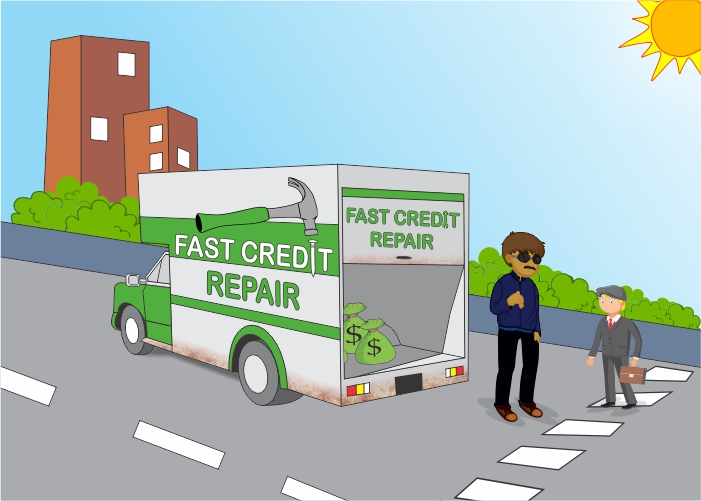
How To Challenge An Error On Your Credit Report

report on credit improvementWhen you’ve got a bad credit score, it can cause you no end of problems when it comes to borrowing money or buying anything on credit. The key to sorting out your credit score is paying off all of your existing debts but you can get a head start by challenging any errors on your report. People don’t often realize it but it’s very common for your credit report to have errors on it that can bring your score down. If you challenge them and have those errors corrected, your score could shoot up straight away. If you suspect that there are mistakes on your credit report, here’s how to challenge them and get them written off.

Types Of Errors

There are quite a few different errors that can appear on your report. Repair.credit has some great information on identifying errors in your credit report. If you’ve been handed a court judgment that you’ve settled on time, that information might not be sent to the credit score company in time and it might go down as a default. If somebody steals your credit card and uses it, that could also go down as bad activity on your credit score as well if you don’t sort the problem quickly. Even simple errors like the bank displaying the wrong amount of money in your account can reduce your score.

Gather Evidence

If you’re going to challenge an error on your credit report, they won’t just take it off no questions asked. You need to be able to prove that there is a problem. Gather any bank statements or other paperwork that you have which shows where the error is. As long as you’ve got that evidence to back you up, you should be fine but without it, you’ll get nowhere.

Contact The Creditor That Made The Error

The first person that you need to get in touch with is whoever made the mistake in the first place. For example, if you’ve got a black mark on your report because of a missed credit card payment that you are disputing, you should contact your credit card company first. Time.com has more information on dealing with suspicious payments on your statement. If they have a record of the mistake then they can sort it out on their end and it should be wiped from your report.

Contact The Credit Report Agency

If the credit card company says that everything is right on their end then the error is presumably with the credit report agency. After you’ve established that the credit card company have got everything right, get in touch with the credit report agency and inform them of the problem. Send them the relevant documentation and they should be able to sort the problem out for you.

Check Other Agencies

Even though you’ve got it sorted with one credit score agency, that doesn’t mean the problem is sorted completely. There might be other agencies that are showing the same error so make sure that you check them all and contact each one and get them to rectify it. Checking them is free, so don’t leave any out.

An error on your credit report can cause you serious problems so make sure that you challenge them as soon as possible.

Business Stuck In Financial Turmoil? Simple Ways To Save The Day!

money crisis in businessThe number one reason why businesses fail is due to finances, or a lack of them, we should say. You’ve probably heard this statistic before, but it’s worth repeating as it’s such a significant statistic – within the first year of launching, half of all businesses fail, and all because of a lack of funds. While that statistic may be terrifying if your business is facing financial turmoil, however, the good news is that it is possible to turn things around. Just because your business is struggling financially that doesn’t have to mean that it is the end of the line for your venture, it’s just a case of thinking outside of the box and being creative.

The fact is that getting your business out of financial turmoil isn’t always easy, but if you take note of the advice below, it is possible to get things back on track.

Determine ways to cut costs

The first step that you take should be to determine how you can cut costs. The fact is that it isn’t easy to reduce your business’s spending, but it is doable, it’s just a case of looking at your budget and determining ways that you can cut costs, such as by making your business premises eco-friendly or by utilizing the cloud to help reduce your spending. Look at your current spending, set a price that you would like to reduce your spending too, and then research ways that you can reduce your spending down to that price. It is doable, believe it or not – you may find working with a business mentor or a financial advisor helpful.

Consider how you can boost your budget

If reducing your spending alone isn’t enough to save your business, the next step is to find ways to boost your budget. Your business is your baby, and you don’t want to see it fail, so it’s important to take into account every avenue that you could attempt to go down. How about taking out a small loan to give your business the boost it needs? If you think a loan might help, you can use resources like the Banking.Loans website to look into what you could borrow. Don’t want to take out a loan? How about finding an investor for your business or a silent partner perhaps? If you want to ensure that your business succeeds, it is vital that you are smart about the steps that you take.

Ensure your finances stay on track

It is vital that you put a plan in place to ensure that once you have got your business’s finances back on track that they stay on track. You don’t want the same problem to occur again, so it pays to make sure that you know how to keep your finances on track this time. Whether that means implementing a strict budget and sticking to it or working with a specialist account who can ensure that your business is creating a good profit, it doesn’t matter. All that matters is that you monitor your business finances and ensure that everything stays on track.

The fact is that getting things back on track after your business suffers from financial problems isn’t easy, but if you take note of the tips and advice above, it is possible to do so and to make a go of things, building a future for your business.

Fighting The Financial Struggle Later In Life: Saving Money In Your 20s

early money savingsWhen you’re in your 20s, you feel like your whole life is ahead of you, you may have just got out of college, so you feel like you owe it to yourself to relax for a while and take everything in your stride. However, the issue for a lot of people in their 20s is that they don’t put money aside. A GO Banking Rates survey found that 44% of people between the ages of 18 and 24 have no money in their savings accounts or don’t even have a savings account! And while it’s important to make the most of life when you’re young and exuberant, but there are some things to begin thinking about now.

Start An Emergency Fund

The fact of the matter is that there will be financial issues that crop up from time to time that you are ill-equipped to deal with. You may end up having an accident and are faced with a medical bill you are unable to pay straight away. And there could be many potential issues that arise that could affect your ability to work, and while making an injury claim is all well and good, it’s not something you can bank on to get you a huge pile of cash. So make sure you start to find ways to stockpile money from your existing earnings. The best way to do it is to set up a transfer, so the funds out of your bank accounts on the same day every month to go into a savings account. That way you don’t need to think about it. And it doesn’t necessarily need to be a huge amount of money either, whatever little amount you can put away will be of some benefit.

Prepare For Retirement Now

If you started saving for your retirement in your 20s, as opposed to later in life, you would end up saving more in the long term, but you can also put away less money during your 30s, 40s, and 50s because you tend to have less financial obligations. Let’s do the math, someone who is 25 and saves at $700 every year will have saved $28,000 by the time they are 65. Compare this to someone who is 35 and just started saving, they will have only saved $21,000 and will need to save that bit more to catch up.

Go For The High-Interest Bank Accounts

Common sense prevails in this, the more interest in a bank account, the more money you will be able to save. And not just this, but there are savings accounts you can take advantage of, such as Certificates of Deposit (CD) accounts, money market accounts, as well as traditional savings accounts.

Get Investing

The final point to make when saving money in your 20s is that it can be very difficult, especially if you work a low paid job and are barely making ends meet. You may want to think about a type of investment that can pay out on a regular basis. While savings bonds, peer to peer investments, as well as real estate are common methods, you may want to start thinking about other approaches to investments, such as gold bullion, or even Bitcoin. Having a decent amount of knowledge in terms of investments will give you that extra bit of money you will need to set yourself up for a life without financial struggle.

4 Different Strategies For Managing Debt

manage your money burdenDebt management is more personal than you might think.

Put simply: there is no “tried and true” method of fixing a debt problem you might have. Everyone is different; different ways of coping work for different people. What helps one person to clear their debts in a short amount of time can leave another flailing and confused. Understanding that you have to find your way to debt management is key to understanding how to unpick the tangle of your personal finances.

Below, we’ll discuss four different ways you can tackle your debt problems. Read through them and see which might work well for you.

1. Redirecting Your Income

If you feel you are able to cut back on luxuries — such as entertainment costs — in your monthly budget and redirect your income to debt repayment, then you should be able to make a significant dent into your debt. When you have paid all essential bills and allowed yourself a small amount to live on, all your other finances should be directed toward debt repayment. It’s tough, but if you can embrace the necessary frugality, then it will work. You can find some tips about living more frugally on morningchores.com to help you along the way.

2. Debt Consolidation

Debt consolidation as discussed on consolidatingdebt.co is a rather simple process, which may be worth undertaking if you are struggling with managing various different credit accounts. The process tends to involve taking out a loan, with which you then pay off all your existing debts — leaving you with one, manageable monthly payment instead. This can also save you money spent on interest repayments, too. If you struggle to keep a handle on all the different payments you have to make, this might be the best choice for you.

3. Negotiating With Creditors

If you want to stave off bankruptcy, then negotiating with creditors is an absolute must. This means making phone calls or writing letters, explaining your situation and asking for their assistance in putting together a management plan that can help you pay off your debts quicker. There’s no doubt that talking to creditors is nerve-wracking, but you will likely find they are more understanding than you might otherwise expect.

4. Making Minimum Payments

Making minimum payments to your debts and nothing more might not sound like a debt management strategy, but it can be if you do it right. If you just make minimum payments and spend the rest of your income on whatever you please, then no, that’s not the best idea in the world. However, if you use the money you save to build an emergency fund — and thus reduce your reliance on credit in the future — then this could be a sound financial move. Just ensure that when you have got a decent emergency fund built up, you then begin paying back more than minimum payments on your debts.

When you find the strategy that works for you, then your way to a clearer financial future should become much more obvious.