Posts tagged: financial planning

Questions to Help you Save Money

money saving queriesSaving money seems easy enough on paper; you just put aside a certain chunk of your monthly income and don’t touch it until or unless there’s a special occasion for it.

The only problem is that theory and reality aren’t always the same thing, and there are many subconscious lifestyle habits and attitudes that can sabotage our money-saving efforts.

Here are a few questions to help you get a better sense of perspective on your spending, and to improve your saving habits.

What are my real financial goals?

The first question to answer is “what are my real financial goals?” It’s easy to get side-tracked when you have no clear idea of what you’re actually putting your savings aside for. When you’ve got a lump-sum of money in a savings account, or a handy chunk of capital at hand via a company such as https://smallbusinessloans.co/, it’s easy to feel artificially wealthy and become complacent about your financial goals.

Without a clear purpose attached to your savings, however, any vaguely interesting investment opportunity can suddenly seem like a fair reason to dip into them.

If, on the other hand, you know that you’ve got a specific amount of money set aside for a specific purpose – buying a new car, for example – you’ll not only know to leave that money alone until it’s time to go car shopping, but you’ll be more motivated to regularly add to your savings. After all, you’ll be excited by the prospect of getting in your new ride.

Is there a cheaper way I could get this done?

There are certain expenses which we need to accept during the course of day-to-day life. Some of these will be personal, such as an internet connection, or clothes and grocery shopping. Others will be professional – such as web hosting, budgeting software, or transport fees for the commute in to work.

But while these expenses generally can’t be avoided – that doesn’t mean they can’t be reduced. Take a mental inventory of everything that you regularly spend money on, and ask yourself whether there’s a cheaper way you can achieve the same benefit.

Perhaps you could cut your internet bill in half with a rival service provider.

Am I conscious of what’s actually happens to my money?

Often, if we’re not used to budgeting meticulously, we’ll end up “bleeding” money in different ways, without even being conscious of it. This can happen, for example, if you regularly grab a coffee on the way to work, or eat out on a regular basis.

What may seem like a small expense here and there can rapidly add up and become a real source of undiagnosed financial strain.

It’s worth looking at your bank statements and making a note of just how much money you really do spend on “invisible” costs like cups of coffee. When you’ve identified an area where you’re spending far more than you’d like to be, you can work on sealing-up the “leaks”.

Is any of my spending purely habit driven?

Habit is a powerful thing, and spending can often be triggered by subconscious manipulation. That’s one of the great secrets of the advertising industry, after all.

If you’re the kind of person who’s prone to frequent impulse-buying and suspect purchases, ask yourself; how many of these purchases are really improving my quality of life, and how many are just empty spending, inspired by a shopping habit?

Ultimately, if you’re spending substantial amounts of money without any real benefit over time, you should work on re-programming that habit loop.


3 Ways Living In An Apartment Can Save You Money

money for apartmentsThe standard way that we’re all meant to want to live is in a house. A house that preferably has a garden, nice friendly neighbors, and even a white picket fence. That’s meant to be the ideal.

However, the need for space to be utilized as well as possible has meant that apartments are a common feature throughout the country. While they might not be the house that you always dreamed of, they do have a few upsides — despite general opinion running to the contrary.

So if you’re in the process of deciding you want to learn more about an apartment you’re considering, then you’ll definitely want to factor in the potential for money-saving. You need to consider areas such as…

Fewer Security Measures To Be Concerned With

While living in an apartment doesn’t necessarily mean you can leave your front door unlocked like they did in the old days, there’s no doubt you will have fewer security issues to contend with. There is inherent security in the entrance points to your home being at height, while collective security measures for the front entrance and lobby give a shared responsibility for ensuring the building is as safe as possible.

The fewer security measures you have to put in place, the more your saving — but this aspect is particularly beneficial if you’re renting. All the existing security equipment and measures will be maintained by the landlord, meaning your security spend could conceivably be zero.

No Garden To Drain Money From Your Finances

Gardening is an expensive hobby. From the cost of plants to the sheer amount of time you have to give over to maintaining it, if you’re looking for cost-cutting measures, then ridding yourself of a garden is hugely beneficial. As well as gardening itself, you don’t have to worry about the security of the garden or the upkeep of buildings and furniture you use in the garden itself. Combine all of those savings together and they begin to look very substantial.

While you might fret over the lack of outdoor space, you still have the option of public parks if you want to spend time outside. Parks give you the opportunity to enjoy being outdoors and — most importantly — they’re free! Enjoy your time outdoors and leave the expensive maintenance to someone else.

Lower Heating Bills

It’s a little known fact but definitely a reality: apartments are cheaper to heat than houses (though you’ll want to avoid the top floor to maximize this benefit). When you live in an apartment block, the other apartments effectively operate as extra insulation. During the winter, you will immediately feel a difference; apartments are warmer, and you need to use less fuel to keep yourself feeling snug and cosy. If you’re tired of paying a fortune just to keep warm through the colder months, then this could be a real money-saver for you.

So, do you think you could be tempted to move from a house into an apartment — potentially saving yourself a bundle of cash along the way?

Mid-Thirties? Worried About Retirement? Check This Out!

retirement issuesAs people approach their mid-thirties, many folks begin to worry about what might happen to them after they retire. At the moment, those individuals will have no trouble finding a job that pays decent wages and keeps a roof over their heads. However, that is going to change as they move closer to retirement age, and so it’s essential that everyone creates a plan. The advice below should assist readers in making sure they leave no stone unturned when it comes to preparing for the financial implications. So, put the information to good use and stop stressing so much!

Choosing a private pension plan

Most employers offer pension plans to their workers these days. Indeed, that is a legal requirement in some western countries because the government is struggling to cover the costs of state programs. However, there are also lots of private companies that offer excellent deals if people are willing to shop around. It’s sensible for everyone to opt for a private pension by their mid-thirties because that will give people enough time to build a substantial nest egg. Here are some tips for finding the best solution:

  • Shop around
  • Compare products
  • Perform an affordability assessment
  • Check for any hidden charges or fees

Making smart investments

Some folks like the idea of using their savings to make investments and create profit. That is a fantastic move, and it could enable people to retire a little earlier than most others. Of course, there are many different risks involved, and it’s always possible to lose everything. So, savvy individuals will make sure they use the services of a broker when they’re just starting out. Also, it’s handy if new investors target the most stable markets to ensure they reap lots of rewards. Everyone should have heard the term “derivative trading” before, but what is a CFD when it’s at home? Anyone who wants to launch themselves into the investment world to pay for their retirement will have to perform a lot of research so they can answer that question.

Paying your mortgage debt

The most substantial debt most people face relates to their home mortgage. Everyone should try to clear the balance and pay as much money as possible to the bank while they’re still working. The last thing anyone wants to do is default on their payments when they only have a few thousand dollars left. There are a few different options on the table, but the most sensible ideas are:

  • Increasing mortgage payments while you still have a job
  • Selling the house and buying somewhere different
  • Finding a deal that enables you to sell the property and rent it back

If people manage to get rid of their mortgage debt, they shouldn’t face as much pressure when the time comes, and they retire.

Readers who might have concerned not mentioned in this post are advised to take a look around before they leave this site. There is an excellent retirement section that should cover all the most popular topics. When all’s said and done, preparing for retirement is not an exact science, and individuals should use some common sense and think outside of the box. Just make sure there is going to be enough money around so you can live a relaxing and comfortable life. That’s the goal.

Negotiating and Settling Debt: Tips for Talking to Creditors

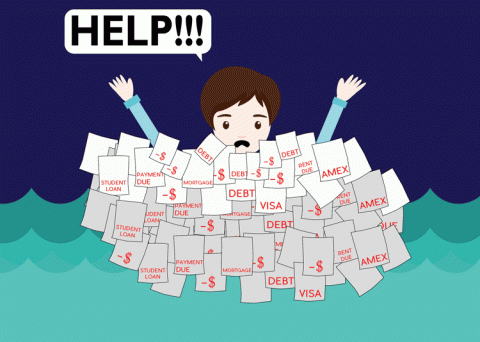
settlement with creditorsWhen money is tight, and your expenses are high, you may find yourself in a pickle with creditors. It’s often an inevitable part of life as you learn and progress – but when the creditors are more than just one or two, the problem seems to snowball a bit too fast. It’s impossible to keep up with, the phone never keeps quiet, and life seems so very unfair.

You can solve it all in one go, though, by learning how to communicate effectively with those dreaded people on the other end of the line and negotiate a good deal.

Here is a handful of the best advice from money experts out there, giving you and your finances some peace of mind at last.

Be honest to generate sympathy

So creditors may be unpopular, but they’re just regular folks like you and I. Pick up the phone, talk from the heart, and stick to your story – especially when you’re dealing with multiple creditors. They don’t want to hear about all the problems you’ve had the past year, of course, but a quick explanation will soften even the toughest creditor.

If you’ve been ill or away from work for a couple of months, it’s a good idea to make them aware of this. The same goes for any other problems you’ve had in the household lately, if your husband has been laid off, or if you’ve run into unexpected medical expenses.

Life is, after all, just life and creditors deal with it too. Check out entrepreneur.com for some top tips on how to convince them not to ruin your credit score.

Stay calm, by the way, and whatever you do, don’t lose your temper with them. To be overdramatic or show childish anger won’t get you anywhere when you’ve passed the age of ten.

Don’t be afraid to ask questions

Remember that this conversation is for your benefit as much as the people you owe money. When the ruthless creditor tells you that you may risk losing your house or be sued, try not to run away from it all but ask specific questions instead.

When can you expect further action to be taken? Is it a good idea to find a personal loan to cover the most pressing expenses? When can you expect the money to be withdrawn from your account? You can have a look at personalloan.co to have a backup handy in case another loan may keep you from being sued.

Some of the threats they make may be illegal, by the way, so ask questions and take note of their answers for your own record.

Understand your situation

Do yourself a massive favor and be prepared the next time they ring. When you know how much you’re able to afford, it becomes a lot easier to keep up with the negotiations and find a realistic solution – otherwise, you may end up in the same situation in a few months.

Dealing with creditors is never much fun, but it’s inevitable when you’d like to put the past behind you. Get it over with as soon as possible, improve your credit score, and start to live within your means again.

Your Financial Afterlife: Preparing for the Inevitable

fix your financesIf you have a family, being financially healthy isn’t just for you. It also helps you to provide for your family. Even when your children have grown up and left home, you still want to make sure you can be there for them when they need it. You might even be considering how you might help them after you’ve gone. When it’s your time to go, perhaps you’re hoping to leave your family in a financially stable position. Although you hope you won’t die until you reach old age, you never really know when it might happen. So it’s always best to be prepared, especially if you have a young family.

Take Out Life Insurance

If you have a family and you work, your family relies on your income. Some families decide to live using only one income, even if they have two, so that it’s not so difficult to deal with if one income is lost. However, many families need to make the most of any income they have. Whether or not you’re the primary breadwinner, the loss of your income could make a big difference to your family, especially when they’re grieving. Using a site like insurance.me to find the perfect life insurance helps to protect your family. Some employers offer life insurance as a benefit, but if yours doesn’t, you should consider taking it out yourself.

Write a Will

Writing a will is one of the best things you can do to make sure you’re prepared for the end of your life. Since you can’t usually know when you’re going to die, it’s important to keep your will updated so that it reflects your wishes. You might change it at different stages, like if one of your children moves out or you get a new grandchild. You can easily find templates and will writing kits to make things easier. However, you might want to use a lawyer to help you write your will, especially if you want to set up something that isn’t straightforward.

Create a Funeral Plan

Funerals can actually be very expensive, so it’s worth thinking about how you might prepare for that. You might like to come up with some ideas or even instructions on how you want your funeral or memorial service to go. In terms of finances, it’s a good idea to have funds specifically intended to pay for it. You might have some savings, or you could consider paying for a funeral plan or insurance. These are intended to cover the costs of funerals to make the burden easier on your family. You might also want to take other financial considerations into account, like buying a burial plot.

Keep Debts Organized

When you pass away, remaining debts might have to be paid from your estate. To make things easier for your heirs, it’s a good idea to organize your debts and bills. This will mean they don’t need to spend too much time figuring out what is owed and paying it off.

Planning your finances for after your death is just as important as paying attention to them while you’re alive. Look after your family by being prepared.