Category: Loan

Why Renting Trumps Buying

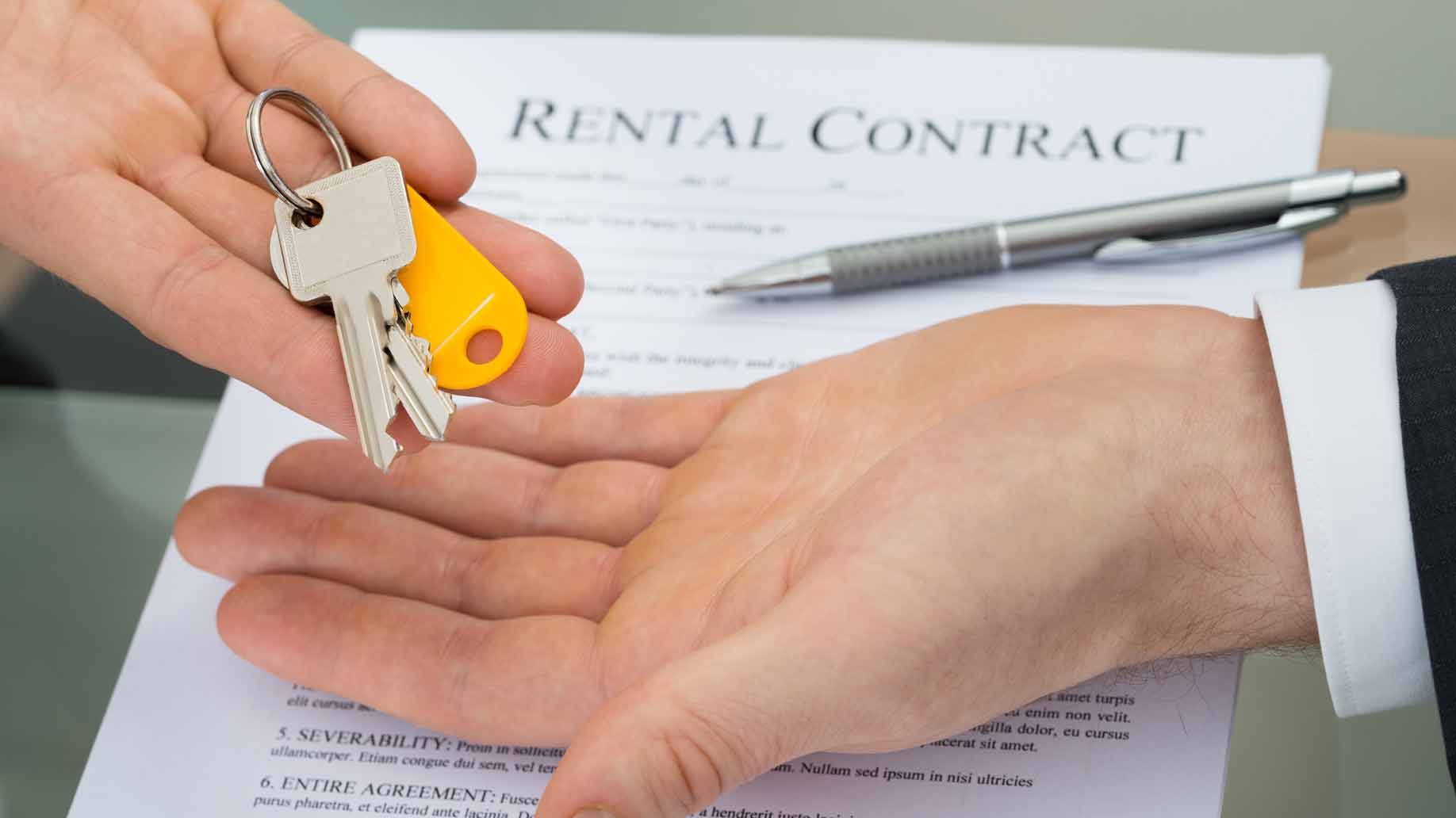
renting place to stayToday’s media tells us that you haven’t really ‘grown up’ or ‘made it’ until you own your own home. So a lot of people only tend to rent temporarily until they have the finances, right? Or wrong. There are tons of advantages to renting your home instead of actually buying it. Here are 11 reasons why.

1. It’s cheaper

Upfront rental fees and deposits may seem a little pricey, but they’re way cheaper than all the hundreds of thousands of dollars it costs to buy a home. If you want to do things the best way, then get your savings stacked away so you have exactly what you need for that very moment. Most rentals will require the first month’s rent upfront, along with a deposit. If when your lease is over, and you plan on leaving, you will only get that deposit back if you leave the place in the mint condition it was in originally. But if for example, you punched a hole in the wall, your tenant has the right to keep your deposit to cover the costs of damage.

2. Buying and selling a home is difficult for everyone

Whether you’re trying to buy a new home or sell an old one, it’s a lot more complicated than just signing a piece of paper. Homes are usually on the market for around four weeks, and almost half of the sellers end up reducing their asking price at least once.

3. There are options for roommates

Getting some roommates is always a great option if you’re looking to share the costs of your living expenses with someone. To have another person to split all the bills with is just ideal. Whereas owning a home, one person is responsible for the big bill at the end of the month. So if you have a rather flaky roomie that is always late on rent, you’ll have to figure out a way of making up the difference. But when renting, apartment complexes are used to working with multiple tenants in one location, so they are able to offer you options for individual leases instead.

4. You have time to repair your credit

A bad credit score will make the chances of buying a home extremely difficult, so all those irresponsible days back in college will come back to bite you in the behind. If this refers to you, then it will be a lot easier to rent rather than buy. You will also be able to take the time paying all your loans off without feeling under the mighty pressure like you would, trying to buy.

5. You can be flexible

Owning a mortgage ties you down. It means deciding on a location that you want to stay in for at least a few years. If you know you can be the indecisive type, are you sure you’re able to settle for that long? You won’t be able to just pick up and move because you got bored of looking at the same tree every day, or when you get that job opportunity you’ve been pining after.

6. Property taxes are pricey

A lot of homeowners don’t realise the costs that arise when owning a home. Bills like insurance, maintenance, and property taxes all combine into this ridiculous amount that is very intimidating. The other issue with this is taxes can rise, for no reason whatsoever, and there’s nothing you can do about it. Rentals, on the other hand, are consistent through the duration of the lease.

7. Maintenance issues are not your problem

Not everyone is blessed with the handyman gene, so for homeowners, you usually end up having to pay a big sum of money for a professional service to come in and repair or replace whatever problem you have. But if you go with a hdb room rental, all you have to do is pick up the phone and call the property manager, and they’ll have someone come in and sort out the issue.

8. You have more access to amenities

Sure, peace and quiet is always a nice option to have in a home. Living in the countryside, with only the friendly neighbour next door to disturb you with their homemade peach pie. But let’s face it, there will be plenty of things that you’re missing out on too. When you rent, you’re part of a community which gives you access to things, like the wifi, the pool, or even that gorgeous park with the perfect green grass.

9. You just don’t have the finances

If your income can be pretty irregular sometimes, whether you’re a new small business owner or work as a freelancer, renting would be a more stable option to take. You don’t want to be in over your head, and it’s very easy for that to happen when buying, so rent until you truly know your circumstances.

10. Upkeep is less expensive

If you own your own home, you can forget about chilling out in your garden, basking in the sun. That big backyard of yours needs to be mowed… Again. The hedges need to be trimmed. The weeds need removing. Let alone the gutter! – That storm last week really made a mess of things, you’re going to have to unclog it before everything seeps into your garage. Renters, on the other hand, don’t need to lift a finger.

11. There’s better security

Most rental apartments will have a high source of security around the area, which will all be included in your agreement. This is a particularly good benefit when a single individual comes along, because they may feel slightly nervous, especially if they’re a first-time renter. Knowing that the area is secure and being watched at all times will make you feel a lot more at ease. If you were a homeowner that wanted to find a neighbourhood with these perks, you can expect to pay a lot of money for all the extra safety precautions.

So as you can see, there are tons of advantages and benefits of renting rather than buying. So get weighing up your options and figure out what works best for you.

Buying A House: The Unforeseen Costs

hidden home buying costsBuying a home is one of the most monumental moments of any adult’s life. It is the chance for a new start, to take control of your lifestyle and independence, and have the opportunity to start a family with the one you love. On the flip side, buying a house can be the most stressful, time-consuming and costly affairs of your life.

We all know about the major costs of purchasing a property, with the deposit and the mortgage, as well as forking out for furniture for your new home at the top of the list. But there are some unforeseen costs which nobody tells you about until you are already part-way through the process, today we are going to take a look at these hidden costs. It might make you have to rethink whether you can afford to put an offer on the house right now. If you are worried about the down payment on a house, you can always check out this article to let you know how much you should pay.

Attorney’s Fees

The first kicker when it comes to buying a house is the attorney’s fees. You will have already searched for a home, gone for viewings, put an offer in and been accepted before these charges become apparent. It all depends on where you go. There are tonnes of lawyers to go to when you are looking to buy a property, and the fees are relatively standard. However, you can still shop around to find the lowest cost if you like, however, sometimes the lower price is reflected in the service you receive. Consider asking friends and family who they chose and work from there. You may find that the result is a little more pricey, but if you can work with a company that is trustworthy, it is worth the extra cash.

Home Buyer’s Report

When you apply for a mortgage, the lender will ask you to complete a home buyer’s report to check the house for any faults and damage. If the home you are looking to purchase fails the report, the house cannot legally be sold, and you will have to find something else. Although it is an annoyance, it’s in your best interests to have this because it prevents you from buying a damaged property and having to pay out for repairs.

Repairs

If the home buyer’s report passes but comes back with a few minor faults, these are extra costs you will have to consider once you move in. You may have to replace the boiler, make sure windows are double glazed, or tile the roof, which will add to your expenses.

If you don’t opt for a full survey to be carried out, once you move into the property you may be faced with repairs that you weren’t aware of previously. For this reason, it is recommended to get a full survey on any house over 100 years old. If not, you can opt for a slightly less in-depth survey which will still give you information about the inside of the property.

Stamp Duty

Stamp Duty is one of those niggling little costs that only creep up when you receive your contract. Stamp Duty is land tax, which everyone has to pay on their property upon purchase. The tax will range depending on the size and location of the house but is worked out as a percentage of the value of your home. You can calculate it here.

Home Insurance

Home Insurance must be put into place from the data you exchange contracts, meaning that even if you don;t move in on your exchange date, you are already paying home insurance on your property. Paying for your home insurance ahead of moving in is a minor annoyance, however, is essential to secure the safety of your home.

Temporary Accommodation

If you aren’t lucky enough to be living with parents or friends as you go through the moving process, you must think about the cost of your current accommodation. Whether that be your current mortgage or rent, it can eat away at your savings.

Storage Costs

Many people like to start building a collection of items for when they move into a home. You could be beginning to stock up on furniture, appliances, kitchen utensils or towels- but you will need somewhere to store them all. Hiring out a storage unit is a great way to relieve the stress of moving everything from one property to the next, because it will all be in one single location ready to go. However, if you face unforeseen difficulties with your purchase which slow down the process, such as probate or environmental issues, you may have to hire out the unit for a longer period.

Moving Costs

Finally, the day has come where you’ve got the keys to your new home, and you can begin to move everything in. Unless you or a family member have a van you can borrow, you may have to fork out for a moving truck or rent a van for a couple of days to move everything into your home. It can be a long process, but once you have settled, it’s worth it. Shop around to find the best value hire companies in your area.

Random House Costs

Once you’ve moved into your new property, you will be faced with some bills. You will have a few different costs to think about when setting up your home. First up, electricity, gas, and water. Usually, when you take on a property from its previous owner, you can simply transfer the existing setup to yourself- freeing up some time trying to hunt for a new deal. You can, of course, set up your own, and this will involve comparing companies and packages with what suits you. The same goes for broadband, tv, and phones. You may want to set up a package deal with all of these thing included at a discounted rate. It’s up to your personal preference and needs.

Difference Between Saving and Investment?

savings for investmentsWhen it is time to decide what you would like to do with the extra money leftover after paying off all your bills. You can either save it or invest it. Although savings and investment are sometimes used interchangeably, many people confuse savings and investment for the concept – however, they are not the same. Both savings and investments can be used for meeting various expenses in life, there are some major differences between them.

The primary difference between savings and investments is that while saving money generally implies putting aside a part of your income regularly in order to meet unforeseen expenses, investment means putting your saved money in various financial instruments in order to maximize your returns and grow your wealth.

Another key difference between savings and investment is the appetite for risk that you are willing to take when putting aside money for savings and investments. It might not make sense to park your savings in long term instruments with a lock in period that does not allow you to access them during a financial emergency – what savings were designed to do in the first place.

At the same time, keeping all your money stored in a safety vault might be very safe, but will not generate any returns over the years. On the other hand, if the money invested in various products like stocks, mutual funds, gold, etc. you may have to take on more risks, but there is potential for your investment to grow over time. If invested wisely, your money can grow over the years. If planned smartly, then investment in stock market can make your invested money grow manifold.

People typically save for meeting short term needs – a set target or objective. However, investment generally entails a longer horizon of six months or more. It is designed to provide returns and grow your money over a period of time.

3 Emergencies That Can Destroy Your Finances

financial emergenciesAn emergency is defined as any serious event that requires immediate attention. Bearing that in mind, what emergencies can occur that end up causing your finances serious harm? Below, you’ll find three big ones that can really hurt your family and your money:

Your House Getting Damaged

Damage to your house is an emergency none of us wants to deal with. The simple fact is there are many ways in which your house can suffer serious damages. What if a bad storm hits and the wind damages your roof or lightning strikes your house. Or, what if someone in your home accidentally starts a fire and your kitchen goes up in flames? When you start to think about it, there are so many things that can happen that lead to your house getting damaged. The worst thing is, in an emergency like this, the repairs to your house will be very costly. There could be serious damages that need fixing and a lot of work that needs to be carried out in your home. In some cases, you may need an entire roof replaced or your house cleared and dried out after water damages. Regardless of how your house gets damaged, the consequences may be very dire for your finances.

A Family Member Getting Arrested

When someone in your family gets arrested, it does count as an emergency. It’s come out of nowhere, it’s a challenging life event, and it requires immediate attention. We’re not talking about someone in your family getting arrested for serious crimes here. We’re talking about if someone is maybe out partying with their friends and they get arrested for drunk and disorderly behaviour. Or, they make a mistake and shoplift. Regardless, someone in your family might make an error of judgement and end up arrested and awaiting bail. This then means you have to go through the effort of contacting a company like Kat Bail Bonds to help you pay the bail and get them out of jail. Depending on the crime, it could cost a lot of money and leave your finances in a very bad position.

A Car Crash

Car crashes are probably the most common emergency out of all three listed here. Also, they’re very damaging to your finances as they can hurt you in multiple ways. With a car crash, you have the financial pain of dealing with a damaged car as well as any medical problems that may occur. You could end up with broken bones or muscle strains that require immediate and expensive medical attention. If you have a good insurance policy, you might be covered for events like this and not have to pay for repairs to your vehicle. Likewise, you could find a lawyer to help you make a personal injury claim and avoid those medical expenses. However, then you end up with a lawyer fee, which can also be costly! No matter where you turn, a car crash can have a detrimental effect on your finances for some time after the event.

If any of these emergencies happen, they need to be dealt with quickly. The problem is, they all require a lot of money to be spent. The best way to handle an emergency is to have an emergency fund set up. This means you’ve got money saved away to help you in case scenarios like these happen.

The Changing Face Of Property Investment

global property investmentsProperty is one of those things that is seemingly always cited as a great opportunity for investment. Housing, after all, is one of those things for which there will always be a demand. The President of the United States demonstrated over the course of his career that with a small loan (of a million dollars no less) that one can become a billionaire. However, scrutiny of these claims suggests that Donald Trump did not use his ingenuity and hard work to build the empire that he ostensibly relinquished control of when he took office earlier this year. The fact is that Trump simply did not have the connections or the capital to finance some of the projects that started his career as a developer. This demonstrates that the market can be tough when you are starting out. As a point in fact, Trump declared bankruptcy four times in 1991 and 1992 alone, with a further two bankruptcies, in 2004, and most recently, in 2009. A lot of people will not have the contacts to start building hotels in Manhattan when they are in their twenties. However, there is nothing wrong with slowly and honestly building a portfolio that modestly begins with a single property. Deciding exactly what property that should be is the difficult part.

The first and most important step to investing in property though is the initial financing that you need to source to get your start. If your father is not an immensely wealthy real estate developer, you will probably need to look to banks or other lenders to help you out. Trying to get a mortgage for an investment is different to seeking one so that you can buy the house in which you intend to live. The checks that will be carried out will be more precise, and you will need to provide detailed business plans before you can expect to be met with approval. You also need to worry about the fundamentals. If your credit rating is not as good as it could be, you may want to think about waiting a while before trying to start a portfolio. There are lots of ways to improve your credit rating like paying off your existing debts and demonstrating an ability to effectively and quickly paying off your future ones. However, until this is done, a new venture may be unnecessarily risky. Something as simple as registering on the electoral roll in your area could increase the chances of being accepted for a loan. The fact remains that when you take on a loan, you become personally liable for paying that money back with interest. If your investment fails or does not give you as great a return as you’d hoped, you could be in a particularly difficult financial situation. It is, therefore, crucial that you carefully consider each investment on its merits before taking on such a massive responsibility. You would not be the first person to bankrupt themselves as a result of ambition.

However, if you are pretty sure that you have enough money to make a move in the markets, and you will have enough left over in case it fails, you need to start looking for different types of property in which to invest. One option, and perhaps the most common, is buying residential properties to sell or rent. One particularly lucrative option is student property investment. Students often get loans to support them while they are at college and not able to work full time. They will, therefore, have the money to pay for accommodation, which, after all, is a necessity. It is a good idea to think about investing in student properties because there will always be a constant supply of new students. Each year, a group will graduate, but a new group will join to replace them. However, it is not just students that represent a good target demographic for rental properties. Millennials are now being described as Generation Rent. A lot of young people grew up or left college during the economic downturn that started in 2008. They have struggled to find jobs that pay well enough for them to be able to start thinking about a mortgage. In fact, a study conducted last year found that the share of 18 to 34-year-olds who own their own homes has fallen to a thirty year low. These people have no other recourse but to rent. If you own rental properties, you could claim your stake of a massive and expanding market. If you invest money in affordable, safe, amenable housing, you could attract lots of potential tenants who are still striving to start their careers and develop some sort of financial certainty and independence. The reality is that a lot of buy to rent properties are not that expensive and with such demand, getting a loan should not be too hard since you can prove the viability of your plan.

The issue of gentrification is one of which you should be aware of though. In the United States, perhaps the most obvious recent example is the change that has taken place in Brooklyn. Whereas areas like Greenpoint were once home to mostly immigrant communities, Brooklyn now has rents that are comparable to Manhattan because so-called ‘hipsters’ started to move to these areas. They become fashionable, and the rent went up as a result. It is a simple economic model. If a landlord realizes that their property suddenly has more value, they will charge more for it to take advantage. This sort of social change has been harshly criticized in the past because many areas lose the identity that they once had. The small, independent stores and businesses that allowed the local people to survive are replaced by chains and major corporations, therefore outsourcing the profits too. However, if you buy lots of property in an area that you anticipate will become gentrified, you could make immense amounts of money. The only problem is that it is quite difficult to anticipate where people will want to live next. Knowing that is the secret to making good investments.