Posts tagged: economy

5 Ways To Challenge A DUI Charge

DUI charges detailsIf the police catch you drinking and driving, you are in a lot of trouble. That one mistake, if you are found guilty, could be on your record for the rest of your life. And, although it might not seem significant, it can affect everything from your home life to your job. Your best course of action is to challenge the DUI and get it thrown out of court. It isn’t easy, but it is possible.

Here’s how you can do it and walk away scot free.

1. Challenge The Officer’s Statement

Police officers normally work in tandem because they need a second source to validate their claims. Sometimes, though, they have to work on their own. If an officer made the claim and wasn’t with their partner that day, challenge their version of events. When it all boils down, it is your word versus their word unless they have more evidence, of course.

2. Question The Fact That You Were Inebriated

With all the technology at the police officers disposal, you might think it is impossible to question the validity of the equipment. The truth is that there could be other reasons that you appear to be drunk that are not related to alcohol. For example, you might slur your words and have dilated pupils due to a medical condition. Some conditions might even fool a breathalyzer into thinking that there is a high level of alcohol in your system.

3. Make Sure The Report And The Evidence Match

One mistake that a lot of officers make is not writing down a similar account to the video evidence. The majority of police forces use body or car cameras to back up their claims. However, the experts at formerdistrictattorneys.com believe you should make sure that both accounts correlate. One or two small differences from each account could be enough to plant a seed of doubt in the judge’s mind. When that happens, they might be more inclined to throw out that particular piece of evidence.

4. Challenge The Breathalyzer

Technology is good, but it is not infallible. Just because your test comes back positive doesn’t mean that it is true. There are contributing factors that can lead to that positive result, the main one being that the equipment is dodgy. If it is not properly maintained, the results can differ wildly. Also, you may use perfectly legal over the counter medication for an ailment. Although that doesn’t impair you when you are driving, it might show up on a test. For more ways a BAC test can be faulty, go to http://duiwise.com. A blood test is a better way to gauge the level of alcohol in your blood.

5. And A Blood Test

Yes, blood tests are better, but they too are not infallible. Again, a range of factors could show a faulty reading from the chain of custody issues to unqualified testers. Ask them to do a range of samples so that you know the first one is not an anomaly.

A DUI cold ruin your life, so don’t go down without a fight.

Best Tips For Beginner Day Traders

investment trading ideasDay trading is a fast-paced and often lucrative form of investment. As you probably know though, it’s not a simple gold mine. Countless people get into day trading every year, and make massive losses through rookie mistakes. I’m sure you don’t want to be one of those traders, do you? To make sure you don’t fall at the first hurdle, here’s some valuable advice for day trading as a beginner.

My first piece of advice: there’s no shame in getting outside help. These days, there are more independent trading tools than ever before. If you can swallow a little pride, there’s all kinds of benefits to be had by using these. For a pretty affordable fee, you can have access to a live day trading room, or constantly updated tips. There are some tools out there which are no better than scams, true. However, when you find the right one, you’ll start making progress much faster than you would have expected. Some services even offer trading simulators. While there’s nothing like the real thing, these programs can be very helpful for learning how day trading works.

It’s a grave mistake to think that there’s ever a “sure thing” in trading. However, when you’re making your first few trades, it’s advisable to look for the safest investment available to you. Seen as you’re reading this article, you probably know something about supply and demand. Just like anything else, the financial markets behave according to this rule. If there’s barely any supply but there are still people willing to buy, then the price will increase. However, if there’s an excess in supply and there aren’t many buyers, the price will be due to go up. It will take a little research, but learn to identify these developments in advance. Once you get used to the flow of the markets, you’ll be seeing great entry points all over the place!

Finally, have a set of rules and stick to them. Day trading, and any other kind of investment, carries a lot of risk. In the speed of it all, it can be hard to make wise decisions. This is why you need to have certain personal limits which you will not break. Risk-reward ratio is one of the most important concepts for a day trader to understand. Not considering this factor is one of the main reasons so many new traders fail in their first month. Once you have a proper understanding of risk and reward, you’ll find it much easier to keep your losses down and your gains high. As a general rule, I’d keep all of your first trades at a 3:1 ratio or below. This will mean that you stand a decent chance of coming out on top, and any losses won’t be incredibly detrimental.

There you have a few valuable secrets to starting your day trading. My final tip is to not get too disheartened by your losses. Every trader loses out here and there, but you won’t be able to make it back if you give up!

How To Protect Yourself When Facing Criminal Charges

criminal defenseWe’re all adults here. You know as well as I do that someone facing criminal charges is not necessarily guilty. When you’re facing criminal charges, it’s extremely important to make the right decisions. The wrong turn of events can completely cripple your financial profile, and grind your personal to a halt. Here are the most important things to do when facing criminal charges.

The first thing you need to do is hire an attorney. It’s possible to handle a criminal case without spending a penny on legal counsel. It’s also technically possible to climb Everest with no equipment. Visit http://www.rogersandmoss.com/ for an example of what to look for in a professional attorney’s firm. If hiring an independent attorney is totally out of your question, then you should get a public defender. The US constitution gives you the right to be represented by a competent attorney, who will be appointed to your case free of charge. Take your time settling on a law firm though. This could be one of the most important decisions in your life. Try your best to find a lawyer with a lot of experience in cases similar to yours.

Once you have an attorney on board, go through all your legal paperwork with them in detail. A fresh pair of eyes, specifically a lawyer’s, will help you to understand the charges made against you, and the best way to tackle them. One of the most important things is making sure all the information on your documentation is correct. A lot of criminal charges have been dismissed in the past, simply due to a criminal complaint being inaccurate. The exact information which is required in a criminal complaint varies from state to state, so read up on your local bylaws. Any police reports should also be scrutinised as much as possible. These typically have limited information, and a wrong fact could really help your chances of walking free.

You should analyse all possible evidence lined up against you. Again, this should be done with your lawyer present. If any of the police involved with the incident violated your constitutional rights, your charges could be dropped in an instant. Unfortunately, this is much more common than you might think. The police can’t search or arrest you without probable cause. Probable cause is a reasonable belief that you committed a crime, based on objective facts. If it’s found that the officer who arrested you didn’t have probable cause, you can’t be prosecuted for the charge at all. Visit http://www.constitution.org/uslaw/defunlaw.htm for more detail. It’s integral for you to go over all of your constitutional rights concerning criminal charges in detail. If you think any of them were violated, this can be a significant help in the course of your overall case.

Once you take these three steps, you’ll have a much stronger defence in your criminal case. After doing all of this base work, it’s all down to the skill of your attorney, and the evidence available. The last, overarching tip I’ll give is to listen to your lawyer, and go along with their plan.

Make Investment Property Work For You

property investmentsIf you are thinking about a property investment, then you are in good company. Many canny investors have come the conclusion that this combination of investment and return is a solid way forward. Given that interest rates are stuck in low gear for the foreseeable future it seems like a no-brainer in financial terms.

The property market is still relatively strong. With a high demand and low supply, this is not going to change anytime soon. This means that the rental market is buoyant, and as long as you buy the right property you should have no trouble is achieving a high occupancy rate. To make a success of your venture, it can be good to learn from the experiences of others who have made it work for them.

Buy the right property

This will in part be down to the amount of money you have available or the credit that you can raise. You need to make sure that you are investing in a property that will make a viable letting project. Most property investors will look for property that is relatively inexpensive so as to maximise their returns. You could buy a new property off the plans, or you could seek to make more capital gain by buying a property that needs some renovation. This will, however, be more work.

You could choose between an apartment or flat, or a small house. Individual rooms could be let to working professionals or even students. Look in areas where demand for apartments from these groups is growing. You can let on a short term basis or over a longer period. If you are targeting the student market then you will have to bear in mind you will have a higher turnover which might mean more administration. If you are letting to families, you are more likely to have longer term tenants.

The right property will be in an area where there is likely to be high rental demand. For most that will mean buying a property in a busy and thriving city, or at least in a town that has good commuter access. Look to vibrant areas where there is investment and growth. Cities around the world that offer these conditions include cities in New Zealand such as Auckland and Adelaide in Australia. Thriving hubs such as Singapore and London are still experiencing growth and offer opportunities.

Get the right agency involved.

As an investor, you are making a financial decision so it is not even necessary for you to live in the area, as your property can be handled easily by an agency. It will be much better for you if you work with a reputable local agency. They will have a lot of experience in finding the right tenants for you. They will be able to handle all the contracts and even collect the rent. They will also be in able to let you know what your responsibilities are in terms of maintenance and provide local contractors to do any work for you.

Property investment nationally and internationally is proving to be a viable and reliable prospect. As long as you buy the right property and choose a reputable agent and there is no reason it should not work for you.

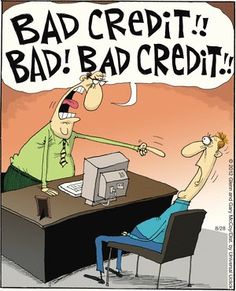
Ultimate Guide to Getting a Loan When You Have Bad Credit

Loans in bad creditIt’s a sickening feeling. You have never had trouble with credit in the past and have not had problems accessing a loan. Then, one day, after you’ve spent time filling in an application for a loan with the bank, a letter or email arrives telling you that you do not meet its lending criteria and that, regrettably, it has declined your request.

For some, being turned down for credit is a shock but not a major disruption. But for many others who had banked on accessing credit to fund a new car, carry out home improvements or consolidate other loans, being turned down by the bank isn’t just embarrassing, it can throw their lives into turmoil.

If this is you, then you’re in good company. Up to one third of all applications for credit in the UK were turned down in 2014, most of them by the mainstream banks. For many hundreds of thousands of ordinary consumers, that wasn’t because they were reckless with money or had failed to make good on debts in the past: it was simply because they didn’t meet the banks’ more rigid criteria that emerged in the aftermath of the financial crisis.

Happily, there are now a growing number of alternatives for borrowing for people who can’t get hold of the money they need when they apply either to their bank or other mainstream lender. Despite being rejected elsewhere because they have a bad credit rating, millions of people now have access to loans from the burgeoning market in these types of loans. Although some of these types of loan come with higher interest rates and lower total capital sums, there is a good chance that you will be able to borrow the money that you need despite having a bad credit rating:

Personal loans

Thought you would not be able to get an unsecured personal loan because the bank’s computer says ‘no’? Think again. Many lenders now have products that are designed for people with poor credit ratings so if you’ve been declined by your bank or somewhere else, you may still be able to borrow a substantial amount of money without having to offer some form of security.

Personal loans for people with bad credit ratings tend to have higher higher interest charges than those offered to people with excellent credit ratings and the sums on offer may also be a little lower. As part of responsible lending policies, these lenders will still carry out credit checks and affordability assessments but these criteria are usually a little more relaxed than those undertaken by the major banks.

Homeowner loans

If you own your house and it is worth significantly more than you originally paid for it, then there’s a good chance that you will find an organisation willing to lend you a significant sum of money. A whole raft of new lending organisations now offer homeowner loans for sums that range from £5,000 all the way up to £250,000 and beyond. It all depends on how much equity you have in your property.

The loan is secured on your house meaning that these types of products are not available to tenants or those in shared ownership schemes. It also means that should you fail to keep up with the repayment schedule, the lender could repossess your house.

The big advantage with homeowner loans is that the interest rates are generally lower than those that come with other forms of bad credit funding. That said, the interest rates may be variable so might change throughout the term of the loan leaving you unable to make repayments should your circumstances change.

Guarantor loans

If you can’t get a personal loan and don’t own your own home, your options become more limited but it is by no means impossible to secure the money you need. Guarantor loans are a rapidly-growing part of the market and work because they open up borrowing to people who don’t have a good enough credit rating to borrow money on their own. These types of loans are based on the principle of somebody else standing as security to guarantee your loan repayments. That person could be a relative, a close friend of somebody at work who knows and trusts you enough to take on this responsibility. While the very large sums that are offered with homeowner loans are not available, it is still possible to borrow up to £12,000 with a guarantor loan.

Credit unions

Prior to the explosion of the UK consumer credit market and the arrival of big international financial organisations, the building societies were mutuals – owned by their savers and borrowers. Credit unions are similar and are owned entirely by and for the benefit of their members. They serve local communities up and down Britain and are in the business of offering loans to members by using the capital held on deposit on behalf of those who save with them.

Interest rates on loans offered by credit unions are usually a bit lower than bad credit loans although some of them will insist that people wanting to borrow money from them save a small amount first. Although this is still a growing area of the UK’s financial services market, credit unions are offering larger and larger personal loans with some advertising up to £4,000 with repayment periods of seven years.

Article provided by Mike James, an independent content writer in the financial sector – working with a selection of finance companies, including Solution Loans – who were consulted over the information contained in this piece.