Posts tagged: budgeting

Financial Obligations You’ll Encounter in Life

financial obstructionsIn your life, you’re going to encounter a lot of financial obligations. And it’s important to understand what these are so you can prepare for them. Money is a very important part of life, and you need to be sure you are on top of your finances. Have a look at these ideas and use them to help you understand some of the obligations you can expect to encounter.

Buying a Home

Eventually, you will get to a point in your life where you’re deciding to branch out on your own. And you might be thinking about buying a home. This is the biggest financial obligation most people will face in life. So you need to understand how the process works and what costs are involved. You’ll need to get down payment assistance, and consult a lawyer or financial advisor. If you’re a couple then you should combine your incomes as much as you can. This will help you get a better home and a better rate for your mortgage.

Life Insurance

You need to think about the future these days and consider what might happen to you. It’s important to think about taking care of your family for the foreseeable future. That means you need to think about what might happen in the event of your death. That’s why life insurance is one of the most essential financial obligations you’ll encounter. You might not have life insurance, or you might be weighing up the possibility of getting it. It would be advisable to have some sort of life insurance premium because you never know what might happen to you.

Making Ends Meet

Of course, on top of these things there are just basic everyday financial obligations. These days, making ends meet can cost you more than you might think. So, you’ve got to make sure you always have enough money saved up to live from month to month. You might be surprised how difficult it can work out to do this. Try to come up with a breakdown of living costs so you know how much you’re going to need to spend each month. These are vital costs and will play an instrumental role in getting your life in order.

Starting a Business

Another expense you might encounter will be starting your own business. Running a business from home has become a popular career path for millions these days. And you need to make sure you are certain it’s the right path for you. If you want to start your own business you’re going to need to have some capital behind you. You might elect to do this yourself, or take out a loan. Either way, this is going to be a big financial commitment. So you need to make sure you take it seriously and start looking at saving money where you can.

There are so many financial obligations you’re going to need to deal with in your life. And that’s why it’s important to be frugal and sensible with your cash. You need to be able to budget, save and invest at different points throughout your life. So, you need to consider the different obligations you’ll face in life and start taking steps to deal with them.

Expert Advice For Getting Your Finances Back On Track

back your financesThere are many different strategies you could use to get your finances back on track this year. However, some concepts are better than others, and so you need some advice from the experts. People who use the ideas and suggestions on this page are guaranteed to see an improvement. Even those with a poor credit score can benefit from these tips and tricks. Just read the article carefully and then apply the information to your situation. With a bit of luck, you’ll have more cash in your accounts for those annual family holidays if you’re smart.

Make low-risk investments

Anyone can use their savings to make investments and create a profit this year. The issue is that most people won’t know where to start. Make sure you don’t trade on the stock market unless you perform a lot of research and employ expert assistance. There are too many variables, and you could lose everything. However, precious metal investments like gold and silver will make sense. That is one of the most stable markets in the world, and so you should always make money. Just bear in mind that it can take a few months or even a couple of years before you see a healthy return.

Get a consolidation loan

Are your finances in a mess because you’re in too much debt? If that’s the case, applying for a consolidation loan could make sense. It would mean the original creditors are no longer allowed to send letters or call your phone. It would also mean you only have to make one affordable payment each month. Always read the small print before signing any paperwork, and make sure you use a reputable provider. In most instances, your outgoings will decrease, but you will have to make the payments for much longer.

Contact financial advice specialists

Blueprint Wealth’s financial advice helped many people to improve their financial situations last year. There are hundreds of firms working in that industry, and you just need to find one that meets your standards. In most circumstances, those companies will use their expertise to assist you. They will work out the best bank accounts, investments, and mortgages for all their clients. They can also help with retirement planning and more. People in the worst situations should always seek advice from professionals. Otherwise, you might overlook something that could drastically increase your cash flow.

Now you know about some great ways to get your finances back on track, you can start today. It’s never going to be an exact science, and you might get some things wrong. However, we all need to take proactive action and solve our money problems when they become severe. Losing your home is the last thing you want to happen. Even so, it’s something that might occur if you fail to settle your debts and boost your income. Make sure you find a decent broker if you plan to make investments, and interview them thoroughly. There are many cowboys out there who are more interested in getting your money than making a profit.

How To Protect Yourself When Facing Criminal Charges

criminal defenseWe’re all adults here. You know as well as I do that someone facing criminal charges is not necessarily guilty. When you’re facing criminal charges, it’s extremely important to make the right decisions. The wrong turn of events can completely cripple your financial profile, and grind your personal to a halt. Here are the most important things to do when facing criminal charges.

The first thing you need to do is hire an attorney. It’s possible to handle a criminal case without spending a penny on legal counsel. It’s also technically possible to climb Everest with no equipment. Visit http://www.rogersandmoss.com/ for an example of what to look for in a professional attorney’s firm. If hiring an independent attorney is totally out of your question, then you should get a public defender. The US constitution gives you the right to be represented by a competent attorney, who will be appointed to your case free of charge. Take your time settling on a law firm though. This could be one of the most important decisions in your life. Try your best to find a lawyer with a lot of experience in cases similar to yours.

Once you have an attorney on board, go through all your legal paperwork with them in detail. A fresh pair of eyes, specifically a lawyer’s, will help you to understand the charges made against you, and the best way to tackle them. One of the most important things is making sure all the information on your documentation is correct. A lot of criminal charges have been dismissed in the past, simply due to a criminal complaint being inaccurate. The exact information which is required in a criminal complaint varies from state to state, so read up on your local bylaws. Any police reports should also be scrutinised as much as possible. These typically have limited information, and a wrong fact could really help your chances of walking free.

You should analyse all possible evidence lined up against you. Again, this should be done with your lawyer present. If any of the police involved with the incident violated your constitutional rights, your charges could be dropped in an instant. Unfortunately, this is much more common than you might think. The police can’t search or arrest you without probable cause. Probable cause is a reasonable belief that you committed a crime, based on objective facts. If it’s found that the officer who arrested you didn’t have probable cause, you can’t be prosecuted for the charge at all. Visit http://www.constitution.org/uslaw/defunlaw.htm for more detail. It’s integral for you to go over all of your constitutional rights concerning criminal charges in detail. If you think any of them were violated, this can be a significant help in the course of your overall case.

Once you take these three steps, you’ll have a much stronger defence in your criminal case. After doing all of this base work, it’s all down to the skill of your attorney, and the evidence available. The last, overarching tip I’ll give is to listen to your lawyer, and go along with their plan.

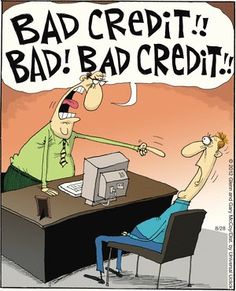
Ultimate Guide to Getting a Loan When You Have Bad Credit

Loans in bad creditIt’s a sickening feeling. You have never had trouble with credit in the past and have not had problems accessing a loan. Then, one day, after you’ve spent time filling in an application for a loan with the bank, a letter or email arrives telling you that you do not meet its lending criteria and that, regrettably, it has declined your request.

For some, being turned down for credit is a shock but not a major disruption. But for many others who had banked on accessing credit to fund a new car, carry out home improvements or consolidate other loans, being turned down by the bank isn’t just embarrassing, it can throw their lives into turmoil.

If this is you, then you’re in good company. Up to one third of all applications for credit in the UK were turned down in 2014, most of them by the mainstream banks. For many hundreds of thousands of ordinary consumers, that wasn’t because they were reckless with money or had failed to make good on debts in the past: it was simply because they didn’t meet the banks’ more rigid criteria that emerged in the aftermath of the financial crisis.

Happily, there are now a growing number of alternatives for borrowing for people who can’t get hold of the money they need when they apply either to their bank or other mainstream lender. Despite being rejected elsewhere because they have a bad credit rating, millions of people now have access to loans from the burgeoning market in these types of loans. Although some of these types of loan come with higher interest rates and lower total capital sums, there is a good chance that you will be able to borrow the money that you need despite having a bad credit rating:

Personal loans

Thought you would not be able to get an unsecured personal loan because the bank’s computer says ‘no’? Think again. Many lenders now have products that are designed for people with poor credit ratings so if you’ve been declined by your bank or somewhere else, you may still be able to borrow a substantial amount of money without having to offer some form of security.

Personal loans for people with bad credit ratings tend to have higher higher interest charges than those offered to people with excellent credit ratings and the sums on offer may also be a little lower. As part of responsible lending policies, these lenders will still carry out credit checks and affordability assessments but these criteria are usually a little more relaxed than those undertaken by the major banks.

Homeowner loans

If you own your house and it is worth significantly more than you originally paid for it, then there’s a good chance that you will find an organisation willing to lend you a significant sum of money. A whole raft of new lending organisations now offer homeowner loans for sums that range from £5,000 all the way up to £250,000 and beyond. It all depends on how much equity you have in your property.

The loan is secured on your house meaning that these types of products are not available to tenants or those in shared ownership schemes. It also means that should you fail to keep up with the repayment schedule, the lender could repossess your house.

The big advantage with homeowner loans is that the interest rates are generally lower than those that come with other forms of bad credit funding. That said, the interest rates may be variable so might change throughout the term of the loan leaving you unable to make repayments should your circumstances change.

Guarantor loans

If you can’t get a personal loan and don’t own your own home, your options become more limited but it is by no means impossible to secure the money you need. Guarantor loans are a rapidly-growing part of the market and work because they open up borrowing to people who don’t have a good enough credit rating to borrow money on their own. These types of loans are based on the principle of somebody else standing as security to guarantee your loan repayments. That person could be a relative, a close friend of somebody at work who knows and trusts you enough to take on this responsibility. While the very large sums that are offered with homeowner loans are not available, it is still possible to borrow up to £12,000 with a guarantor loan.

Credit unions

Prior to the explosion of the UK consumer credit market and the arrival of big international financial organisations, the building societies were mutuals – owned by their savers and borrowers. Credit unions are similar and are owned entirely by and for the benefit of their members. They serve local communities up and down Britain and are in the business of offering loans to members by using the capital held on deposit on behalf of those who save with them.

Interest rates on loans offered by credit unions are usually a bit lower than bad credit loans although some of them will insist that people wanting to borrow money from them save a small amount first. Although this is still a growing area of the UK’s financial services market, credit unions are offering larger and larger personal loans with some advertising up to £4,000 with repayment periods of seven years.

Article provided by Mike James, an independent content writer in the financial sector – working with a selection of finance companies, including Solution Loans – who were consulted over the information contained in this piece.

The number of families at war over wills is at an all-time high – but at what cost?

The Real Cost of Lengthy Legal DisputesDealing with a loved one’s will can be a difficult and emotional process, even more so if we feel people feel that they have been treated unfairly in that will. Recently, more and more of us are finding ourselves caught up in disputes over inheritances. While calling in the lawyers can seem like the only way to resolve things, that too can affect how much money people end up with. Legal fees can eat away at an estate – sometimes leaving families with no inheritance to speak of at all.

Straight from the pages of a novel

A plot point in Charles Dickens’ novel Bleak House centres on a family at war over a will. The Jarndyce’s eventually spend more in legal fees than the entire value of the estate that they are fighting over. When Dickens wrote his novel, it was an observation of the flawed Victorian legal system. While this particular dispute was born from a man’s imagination, real families are finding their selves in legal battles that are all too similar.

Cases like this have made it into the news

Just a couple of years ago, it was revealed that the family of Peter Ustinov were still battling over his estate nine years after his death. It’s hard to think there would be much left for them after almost a decade of lawyer’s fees and other costs. One can also imagine the huge emotional strain it would put on a family too.

Dealing with a will often comes hand in hand with the loss of a loved one, an emotionally charged situation at the best of times – so it’s not surprising that disputes can happen. Could a family such as Ustinov’s ever recover from almost a decade of warring with each other though? Sadly, it’s hard to imagine their relationship being able to withstand that kind of strain. It’s not just the rich and famous getting caught up in these kind of disputes though – it’s happening to more and more normal families too.

Protecting yourself

An estate that seems simple can still throw up some problems, especially as the laws surrounding wills are so complex. An executor of a will can find themselves being targeted by beneficiaries, estate creditors and other officials. So how can people protect themselves from such costly legal battles? Executor’s insurance grants protection to the executor of a will. Covering you in a wide ranges of scenarios, it can halt a potentially costly legal battle in its tracks. This will then allow you to get on with the task at hand without the worry of facing legal action.

Don’t throw it all away

It’s human nature to fight for what we believe is rightfully ours, and a dispute such as the one regarding Peter Ustinov’s estate proves no differently. What some of us are doing though, is throwing any potential inheritance away by getting caught up in lengthy and costly legal battles; battles that not only ruin bank balances, but family relationships too. With the right protection though, these kinds of battles can be avoided. Losing a loved one is hard enough – so it seems ridiculous that so many of us are then going on to squander their last gift to us in the courtroom.

Peter Collins is a director at LFC Risk and Insurance, an Essex company that provides business and individuals with bespoke insurance and risk management solutions.